Every election cycle tells us something about ourselves. This one has made something unmistakable: primaries aren’t a nuisance; they’re the point. Somewhere along the way, we let the idea take hold that primaries are messy or impolite. Something that inconveniences the powerful or disrupts a hierarchy that was never supposed to be stable in the first place. In a representative democracy, competition isn’t chaos. It’s accountability.
That includes a so-called “safe seat.”
The question I hear most often, sometimes whispered, sometimes blunt, is: Why primary a long-time incumbent now? Depending on who’s asking, another follows close behind: Are you the next up, or just someone brave or foolish enough to step forward when you’re not supposed to?
Those questions reveal something more profound about how people think politics is supposed to work, and how far that thinking has drifted from the foundations of a representative democracy.
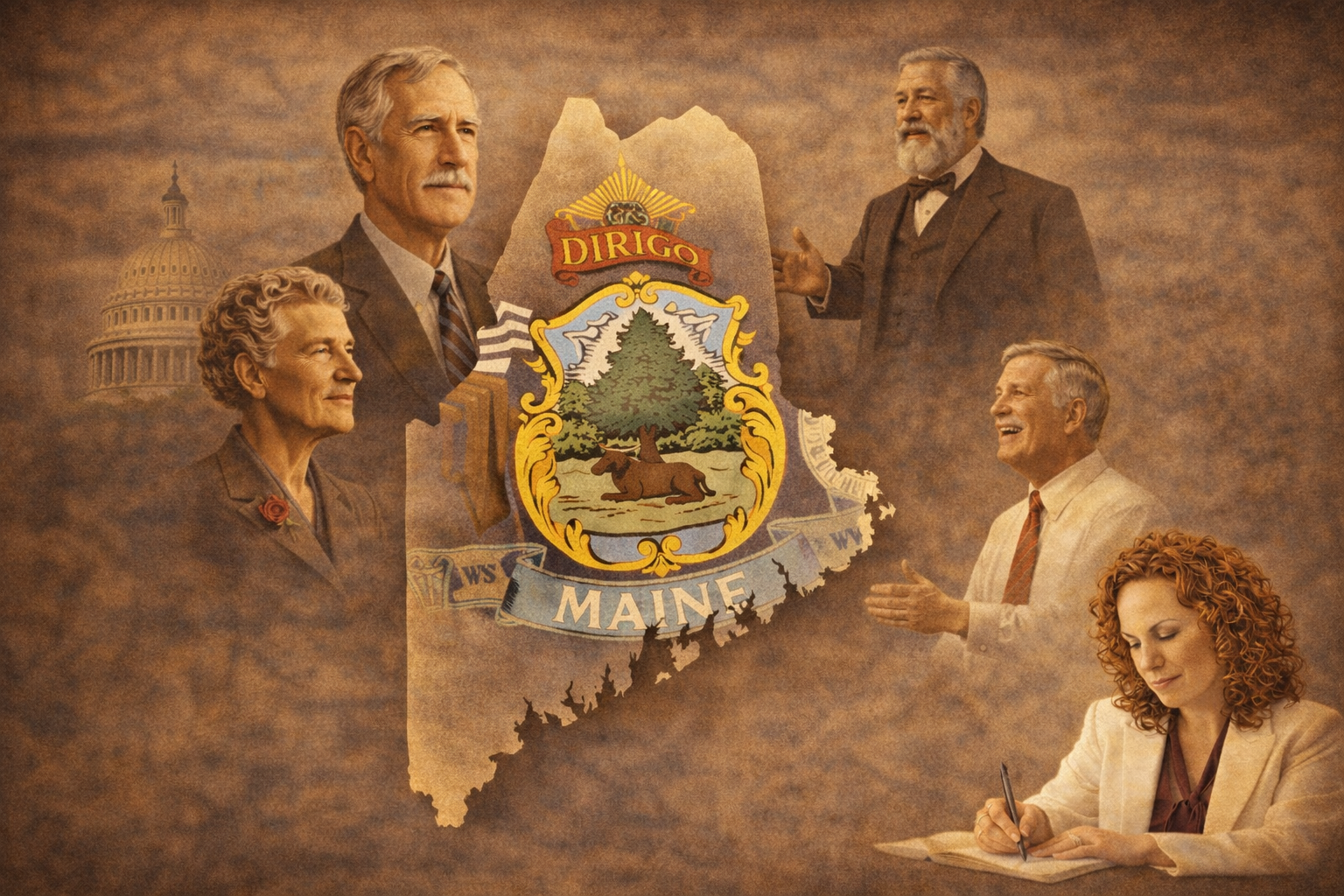
Maine wasn’t built by people politely waiting their turn. We separated from Massachusetts because the government should reflect the people it governs. That instinct shaped our political DNA. We protected the secret ballot, preserved the town meeting, and defended tools like the people’s veto because we’ve always believed more voices, not fewer, lead to better outcomes.
Our history reinforces the point: James G. Blaine rose because Maine Republicans backed the leader they believed in, not the one the national machine preferred. Margaret Chase Smith showed that leadership comes from clarity and courage, not anointment. Our Clean Election Act and the independent streak that produced governors like Jim Longley and Angus King grew from the same refusal to accept “who’s up next” as a political value.
So why now? Because perspective matters. My path is one shaped by real life: working and raising a family in the same conditions our policies are supposed to address, and watching how government lands on actual people. It provides me a different lens, a different voice, and a different way of approaching leadership. Lately, I’ve been told that I should step aside, wait my turn, or defer to others who had already been “decided on.” Those requests are exactly why primaries matter. Anyone can run. That is not a disruption. That is the system.
Primaries keep representation honest. They spark conversations that wouldn’t otherwise happen, open doors to people told to wait their turn, and remind anyone in office that the seat they hold isn’t theirs. It’s borrowed.
Leadership is earned, never inherited. That isn’t just democracy. It’s Maine. And it’s worth remembering.